
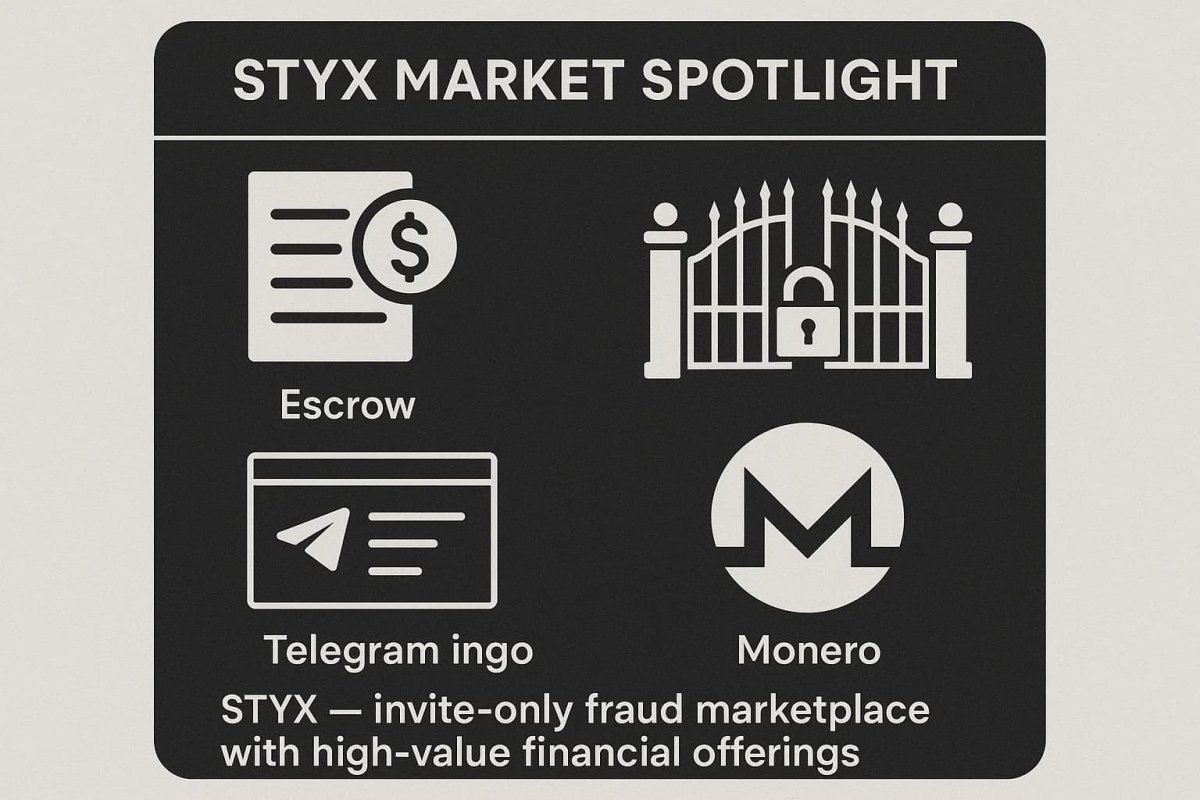
Last Updated: May 2026 | Risk Level: High Financial & Legal Risk
Most users who lose money on darknet markets are not hacked — they expose themselves through traceable crypto payments, fake escrow systems, or poor operational security.
In 2026, anonymous payments are far more sophisticated than simply sending Bitcoin to a wallet. Modern dark web transactions rely on privacy coins, multi-signature escrow systems, stealth wallets, and layered anonymity tools designed to reduce blockchain tracing risks. If you are exploring hidden services, standard credit cards are not an option, and making a mistake with your payment method can permanently link your real-world identity to your online activity. This guide breaks down exactly how money moves in the shadows in 2026 and how to stop forensic analysts from tracking your funds.
⚡ Quick Answer
Modern Dark Web Payment Methods 2026 rely almost exclusively on privacy-focused cryptocurrencies like Monero (XMR) and multi-signature escrow systems to avoid blockchain tracing. To stay safe, you must avoid transparent blockchains like Bitcoin and always use a trusted third-party market platform to hold funds until a transaction is complete. Using "hot" wallets or direct exchanges is the fastest way to get flagged or banned.
Why Dark Web Payment Methods Changed in 2026
Dark web payment methods are the financial tools users employ to exchange value without revealing their real-world identities. However, the landscape has shifted drastically compared to five years ago.
In the early days, Bitcoin was sufficient. Today, blockchain analysis firms (like Chainalysis or CipherTrace) use advanced algorithms to de-anonymize Bitcoin transactions with scary accuracy. Because of this, the ecosystem has moved toward "Privacy Coins" and complex escrow architectures.
Why Bitcoin Is No Longer Safe for Anonymous Transactions
Many users still believe Bitcoin is anonymous. It is not.
- Public Ledger: Every Bitcoin transaction is recorded on a public blockchain forever.
- Cluster Analysis: Analysts can cluster your wallet addresses together to build a spending profile.
- KYC Linkage: If you ever bought Bitcoin on an exchange with your ID, that exchange can be legally compelled to share that data, linking your identity to every transaction you ever made.
This is why 2026 trends show a massive migration toward Monero (XMR) and stealth transaction methods.
Which Cryptos Are Used on the Dark Web? (Bitcoin vs. Monero in 2026)
Not all cryptocurrencies are created equal when it comes to privacy. If a market accepts Bitcoin, it is often considered a "red flag" by privacy advocates, or it requires extensive "tumbling" (which is often detectable).
Comparison: Bitcoin vs. Monero (XMR)
| Feature | Bitcoin (BTC) | Monero (XMR) |
|---|---|---|
| Transparency | Public. Anyone can see sender, receiver, and amount. | Private. Transactions are obfuscated by default. |
| Traceability | High. Easy to track via heuristic analysis. | Low. Nearly impossible to trace the source of funds. |
| Technology | Standard Transparent Ledger. | Ring Signatures, Stealth Addresses, RingCT. |
| 2026 Status | Declining usage on top-tier markets due to risk. | The Gold Standard for dark web transactions. |
For a deeper dive into setting up secure wallets, see our guide on how to pay anonymously online.
The Shift Toward Anonymous Cryptocurrencies in 2026
Bitcoin is no longer the king of the dark web. In 2026, privacy coins are the standard. Monero uses "Ring Signatures" and "Stealth Addresses" to hide the sender, the receiver, and the amount sent.
How Blockchain Analysis Tracks Dark Web Payments
This is the "fear" element every user must understand. Governments don't just "hack" wallets; they analyze the time and amount of transactions.
- Exchange Leak: You buy BTC on Coinbase (ID verified).
- The Hop: You send it to a market.
- The Correlation: Analysts see 1 BTC leave Coinbase and 1 BTC enter a known market wallet at the exact same second.
- The Result: You are now a person of interest.
The Fix: You must break this chain. You cannot simply send coins from an exchange to a market. You must swap for a privacy coin and tumble the funds.
Recommended Workflow:
- Purchase a liquid asset on a standard exchange.
- Swap that asset for Monero (XMR) using a non-custodial service.
- Move the Monero to a personal local wallet (like the Monero GUI Wallet).
- Only then send it to the market.
What’s an Escrow Payment on the Dark Web?
An escrow payment is a financial arrangement where a third party holds the funds during a transaction but does not release them until specific conditions are met.
In the context of the dark web, this prevents the two main scams:
- Buyer Scams: The buyer claims they never received the goods to get a refund.
- Seller Scams: The seller takes the money and never ships the item.
The Market acts as the bank. You send your money to the market's wallet. The market tells the vendor, "Money is secured, ship the item." Once you receive the item and click "Finalize," the market releases the funds to the vendor.
Learn more about the technicalities of these systems in our Dark Web Escrow Guide.
How Fake Escrow Systems Steal Crypto (Scam Alert)
One of the biggest risks in 2026 is Fake Escrow. Scammers set up sites that look like markets but have a "Direct Pay" feature disguised as Escrow.
Red Flags of Fake Escrow:
- "Direct Deposit" Only: If a site asks you to send funds directly to a vendor wallet without holding them first, it is a scam.
- No Dispute Button: A legitimate escrow system always allows you to open a dispute.
- Forced "Finalize Early": Vendors may pressure you to release funds before shipping to "build trust." Never do this. If you finalize early, you have zero recourse if they steal your money.
How Escrow Systems Protect Your Funds
There are two main types of escrow you will encounter in 2026. Understanding the difference is vital for protecting your assets.
Escrow Types Comparison
| Escrow Type | How It Works | Security Level | Risk |
|---|---|---|---|
| Traditional Escrow | The market holds the coins in a central wallet. | Medium | If the market exits (scams) or gets hacked, you lose everything. |
| Multi-Sig (2-of-3) | Funds are held in a smart contract requiring 2 of 3 keys (Buyer, Seller, Market). | High | Even if the market shuts down, Buyer and Seller can still agree to release funds. |
Recommendation: Always prioritize markets that offer Multi-Sig Escrow. It adds a layer of math-based trust that is hard to beat.
How to Pay Anonymously Online (Step-by-Step)
Simply buying crypto is not enough. You must break the link between your identity (KYC documents) and the transaction.
The Anonymous Payment Flow (2026 Standard):
text
[ Step 1 ] [ Step 2 ] [ Step 3 ] [ Step 4 ]
You buy BTC -> Swap for XMR -> Private Wallet -> Market Deposit
(Exchange) (Non-Custodial) (Local Control) (Escrow)
| | | |
v v v v
Identity Linked Identity Broken Funds Secured Transaction Made
| | | |
+------------------->---------------------+-------------------+
(The "Gap" prevents blockchain tracing)
Critical Warning: Never send coins directly from a centralized exchange (like Coinbase or Binance) to a dark web address. The exchange has your ID, and this creates a permanent record linking you to the transaction.
Dark Web Crypto Markets Explained
Dark web crypto markets function similarly to eBay or Amazon but for illicit or restricted goods. They use integrated wallets to manage the escrow process.
- Deposits: You generate a unique deposit address on the market. Sending funds to this address credits your account balance.
- Ordering: When you place an order, the market freezes the required amount from your balance into escrow.
- Finalizing: Once the goods arrive, you release the funds.
Best Dark Web Payment Options
Based on current security standards and anonymity features, here are the best options for 2026:
- Monero (XMR): The best option for obfuscating transaction trails.
- Multi-Sig Markets: Platforms that utilize 2-of-3 multi-signature wallets for escrow.
- Non-Custodial Swaps: Services that allow you to exchange BTC for XMR without creating an account, reducing data leaks.
Dark Web Price Index & Volatility
Prices on the dark web are typically denominated in fiat currency (USD or EUR) but paid in cryptocurrency.
- Volatility Risk: Because crypto prices fluctuate, the market adjusts the crypto amount required at checkout. If Bitcoin crashes, the amount of BTC needed to buy a $100 item increases.
- Premiums: Goods on the dark web often carry a "risk premium," meaning they cost more than they would on the surface web to account for shipping risks and the vendor's operational security costs.
Privacy Risks & Hidden Market Vulnerabilities
Even with the best tools, you are still at risk if your operational security is weak.
Common Vulnerabilities:
- Timing Attacks: Observers correlate the time you bought crypto on an exchange with the time a deposit appeared on a market.
- Wallet Linking: Using the same wallet address for multiple purchases creates a pattern that can be analyzed.
- Social Engineering: Phishing sites that look like real markets but steal your private keys.
To stay safe on onion sites, you must treat your digital footprint like a separate life. Never link your dark web wallets to your personal email or phone number.
Common Mistakes with Dark Web Payments
1. Using "Hot" Wallets on Exchanges
Never send money directly from a big exchange like Coinbase to a dark web address. The exchange will flag your account immediately.
- The Fix: Always send your coins to an intermediary private wallet that you control first.
2. Reusing Deposit Addresses
Using the same address twice makes it easy to link your transactions together over time.
- The Fix: Generate a fresh address for every single deposit or payment you make.
3. Falling for Phishing Links
Scammers create fake versions of markets to steal your login and your coins.
- The Fix: Only use verified links from trusted directories and bookmark them once you know they are real.
4. Finalizing Early
Vendors may ask you to release funds before you receive the item to build "trust."
- The Fix: Never do this. It bypasses the only protection you have.
Glossary of Terms
- Escrow: A financial arrangement where a third party holds funds temporarily until a transaction is completed.
- KYC (Know Your Customer): Verification processes used by exchanges that require you to submit ID (Passport/License).
- Multi-Sig (Multi-Signature): A digital signature scheme that requires more than one key to authorize a transaction.
- Privacy Coin: A cryptocurrency that enhances anonymity for its users (e.g., Monero).
- Stealth Address: An automated one-time address created for each transaction on the blockchain to hide the recipient's actual address.
- Tumbler/Mixer: A service that mixes potentially identifiable coins with others to obscure the trail back to the fund's original source (less common now due to transparency of mixers vs. privacy coins).
⚠️ Risk Warnings
Financial Risk: Cryptocurrency transactions are irreversible. If you send money to a scammer, to the wrong address, or if a market performs an "exit scam" (shuts down and steals user funds), you will likely never recover that money.
Legal Risk: Engaging in transactions for illegal goods or services is a criminal offense in most jurisdictions. Law enforcement agencies actively monitor dark web markets and blockchain transactions.
Security Risk: By interacting with dark web markets, you expose yourself to malware, phishing attempts, and potential hackers. Ensure your device is secure and your anonymity is maintained at all times.
FAQ
Q: Is Bitcoin safe for dark web purchases in 2026? A: No, Bitcoin is generally not recommended for high privacy transactions because its transaction history is public. Many modern markets prefer Monero because of its native encryption features that hide all transaction details by default.
Q: What happens if a seller scams me? A: If you used an escrow system, you can open a dispute. The market moderators will look at the evidence from both sides and return the funds to you if the seller failed to deliver. Without escrow, your money is gone.
Q: How do I buy privacy coins without an ID? A: You can use decentralized exchanges (DEXs) or peer-to-peer (P2P) platforms. These allow you to trade with other individuals directly, often bypassing the strict "Know Your Customer" (KYC) rules found on major corporate exchanges.
Q: Are dark web markets legal to browse? A: In most countries, simply browsing onion sites is legal. However, using Dark Web Payment Methods 2026 to purchase prohibited items is illegal and carries significant risks. Always check your local laws and use the technology responsibly.
Q: What is "Finalize Early" and why is it dangerous? A: "Finalize Early" (FE) is when a buyer releases funds from escrow before receiving the product. This is dangerous because once the funds are released, you have no way to get them back if the vendor decides not to ship the item.
Q: Why do prices on dark web markets change? A: Prices are usually pegged to USD or EUR. The amount of crypto you need to pay changes based on the current exchange rate of that cryptocurrency. Additionally, markets may adjust prices based on vendor reputation and scarcity.
Q: Can I use a VPN to hide my crypto purchases? A: A VPN hides your IP address from the exchange, but it does not hide the transaction record on the blockchain. To hide the transaction, you must use privacy coins like Monero.
Conclusion
In summary, navigating the financial side of the dark web in 2026 requires a calm approach and the right tools. By prioritizing privacy coins over transparent ones and always insisting on escrow (preferably Multi-Sig), you solve the most common problems users face. Stay informed, keep your software updated, and remember that on the dark web, your security is entirely in your own hands.