
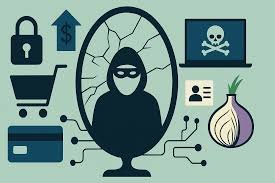
Did you know that over 90 % of websites on the hidden part of the internet disappear within six months of their creation? You are likely here because you saw a link for Darknet Desires and wonder if it is a genuine service or just another trick to take your money. It is hard to tell who to trust when you are looking at encrypted pages that do not have reviews on regular search engines. You are not alone in this confusion, as thousands of people search for the truth about these hidden marketplaces every day. The simple cause of the issue is that the dark web lacks the consumer protections we use in daily life, like credit card chargebacks or verified public ratings. In this guide, you will learn how to identify red flags, understand what this platform claims to be and find out if it is safe to use.
Quick Answer
Many "Darknet Desires" links found on public forums are scams designed to steal cryptocurrency through phishing or non delivery. Because the platform lacks a verifiable reputation on trusted directories like OnionLinks, you should treat it as a high risk site and avoid depositing funds. The fastest fix for your curiosity is to use verified educational resources instead of clicking unknown links.
What is Darknet Desires?
Darknet Desires is a term often used for various hidden services that claim to offer niche products or private connections - these sites exist on the Tor network, which means you cannot find them using a normal browser like Chrome without special settings. People use these platforms because they want privacy or are looking for items that are not available in local shops. Is it a specific brand? Scammers use this name to create "mirror" sites that look real but only exist to grab your login details.
When you hear about the sites, they are usually part of a larger conversation about hidden markets or onion services. People are drawn to the idea of a secret digital world where they can browse without being tracked by advertisers. This same privacy makes it easy for dishonest people to hide their tracks after they take a payment. You can find more about the cultural side of these topics in the Darknet Desires meaning and trends for 2026.
Why Confusion Happens Around Darknet Desires
- Wrong habits
Many individuals click links they find in YouTube comments or Reddit threads without checking if the link is a fake copy of a real site. - Outdated tools
Users often try to access these sites using old browser versions that do not show security warnings. - Misunderstanding how it works
Newcomers often think "encrypted" means "safe" but a scammer can use encryption just as easily as a legitimate business. - External limitations
The slow speed of the Tor network makes it hard to verify if a site is lagging or if it is intentionally freezing your transaction.
5 Common Darknet Desires Mistakes
1 - Using Random Links from Social Media
Scammers post fake addresses for Darknet Desires on public sites to lure you into "phishing" pages - these pages look exactly like the real thing but steal your password.
Fix
Only use links from a trusted directory or a verified guide on how Tor works.
2 - Depositing Money Without Escrow
Many users send Bitcoin directly to a site wallet without a third party to hold the funds. Once the coins are sent, there is no way to get them back.
Fix
Always check if the platform uses a "Multi-Sig" escrow system that requires more than one person to approve a payment.
3 - Sharing Personal Identity Details
A common mistake is using the same username or email you use for your social media accounts - this makes it easy for hackers to connect your "private" browsing to your real life.
Fix
Create a completely new identity and use an encrypted email service that does not ask for your phone number.
4 - Ignoring Site Certificates
People often ignore the long string of letters in an .onion address. If one letter is different, you are on a different site.
Fix
Use a password manager to save the exact link and never type it in by hand from memory.
5 - Believing "Too Good to Be True" Deals
Scam sites like fake versions of Darknet Desires offer high end electronics or services for 10 % of their actual price - this is always a trap to get your initial deposit.
Fix
Compare prices with other markets - if the price is impossibly low, the site is a scam.
How to Safely Explore Darknet Information
First, you must understand the technology behind the curtain. Before looking for specific sites, read about the Darknet Diaries podcast to hear real stories of what happens when things go wrong - this gives you a realistic view of the risks involved.
Next, you should set up a secure environment - This is not just about the browser - it is about your habits. Never use a Windows computer without a high quality firewall and consider using a separate operating system like Tails for maximum privacy - this ensures that even if you land on a bad site, your main files stay safe.
Finally, always verify the status of a site before you trust it with data. Use community driven forums where people report "exit scams" If you see many people saying they cannot withdraw their money, stay away. The goal is to be a ghost on the internet - see everything but leave no trace of yourself.
Common Problems & Fixes
Problem
The Darknet Desires link I found is not loading at all.
Fix
Ensure your Tor browser is up to date and check your system clock - if your time is off by even one minute, the connection will fail.
Problem
I entered my login details on a mirror site and now I cannot log in to the real one.
Fix
Your account is likely compromised - stop using that username immediately and move any funds if you still have access to a backup key.
Problem
I am worried about the legality of just looking at the sites.
Fix
In most places, simply browsing is not a crime but you should use a VPN alongside Tor to hide the fact that you are using the dark web from your internet provider.
Pro Tips for Better Research
- Check the PGP key
Real admins use a PGP key to sign their messages. If the signature does not match, the person talking to you is an impostor. - Use small test amounts
If you ever decide to use a service, never send more money than you are willing to lose instantly. - Read the headers
Look at the URL bar - If it does not start with "v3" (the longer 56-character links), it is an old, insecure site.
Safety & Best Practices
Your safety depends on your ability to stay skeptical - Treat every site on the dark web as if it is trying to trick you. Do not download files, especially PDFs or .exe files, as these can contain "beacons" that reveal your home IP address to the sender. It is also smart to disable JavaScript in your browser settings to prevent malicious scripts from running without your permission. Keep your physical location private and never mention your city or country in chats.
Related Guides
- OnionLinks for Beginners
- Common Problems with Tor Browsing
- Best Tools for Darknet Privacy
FAQ
Q1 - Is Darknet Desires a scam?
In most cases, yes - Many links bearing this name are "phishing" sites. Without a verified reputation from long standing community forums, it is safer to assume the site is a scam designed to steal your Bitcoin.
Q2 - Can I get my money back if I am scammed?
No. Cryptocurrency transactions are permanent and there is no bank to call for a refund - this is why it is vital to verify a site before you send any digital currency.
Q3 - Is it illegal to visit the site?
Simply visiting an .onion site is generally legal in most democratic countries. What you do on the site or what you buy can be illegal - you must know your local laws.
Q4 - How do I find the "real" Darknet Desires?
There is often no single "real" version because these names are recycled by different groups. It is better to use well known, peer reviewed markets listed on trusted directories rather than searching for specific names you found in ads.
In conclusion, the world of hidden websites is full of traps for the unwary. If Darknet Desires is a specific site or a general term for hidden interests, the danger of losing your money to a scam is very real. You are now equipped with the knowledge to identify phishing links and protect your identity. Use tools like the Tor browser correctly and always prioritize your digital safety over curiosity. Remember that the best way to stay safe is to remain invisible and skeptical of every "great deal" you find in the corners of the internet.